Leather Manufacturing
The Complete Timeline of a Leather Manufacturing Project
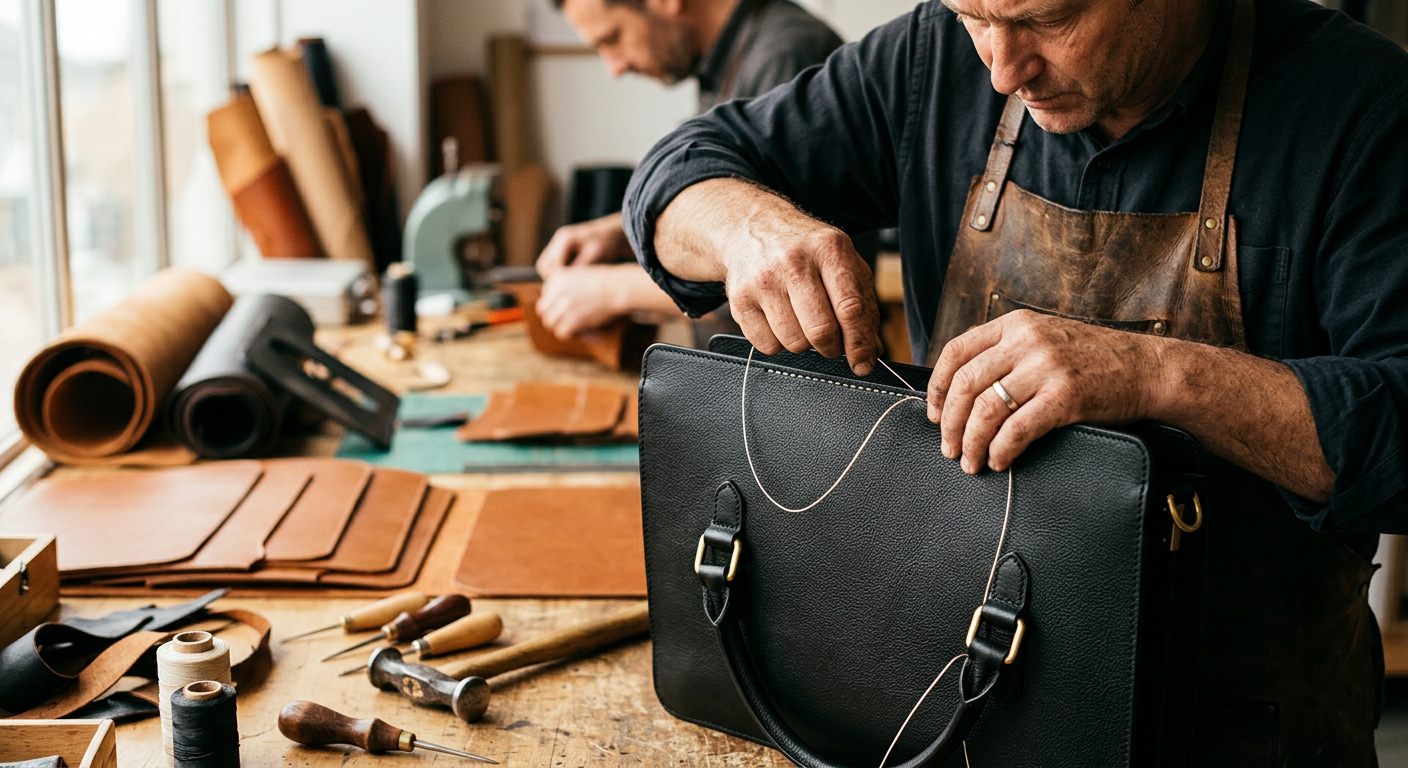
A transparent breakdown of a leather production project from a manufacturer's perspective. Understand the real-world timings for sampling, production, and shipping to plan your next collection.
The buyer's problem
Mismanaging a production schedule is one of the fastest ways to erode a fashion brand's profitability and reputation. A delayed shipment can mean missing a key selling season, forcing you into heavy discounting and disrupting your cash flow. When your supplier provides a vague or overly optimistic delivery date without explaining the underlying process, you are essentially flying blind. You have no way to confidently plan your marketing campaigns, arrange logistics, or update your retail partners.
Choosing a manufacturing partner is not just about the final cost per unit; it is about dependability. A trustworthy factory understands that a predictable leather manufacturing timeline is as critical as the quality of the stitching. It forms the foundation of a professional relationship and allows your business to scale effectively. When you receive a detailed project plan that accounts for material sourcing, sampling, production, and quality control, you can operate with confidence. It is the clearest signal that your supplier respects your business and operates with transparency.
What a "leather manufacturing timeline" actually means in a factory
For a buyer, the timeline often seems simple: the date you place the order and the date it ships. From inside the factory, the leather manufacturing timeline is a complex sequence of interdependent stages, each with its own schedule and potential variables. Understanding this granular view is crucial for effective project management. We break it down into three core phases.
1. Pre-Production (1 to 3 Weeks): This is the most critical planning phase. It begins the moment we receive your tech pack. This stage is not idle; it is when we prevent future problems. It includes:
- Specification Review: Our technical team analyses your tech pack for feasibility, potential production challenges, and material compatibility. We may ask questions to clarify details like seam construction or hardware reinforcement.
- Material Sourcing & Confirmation: If we are using our stock leathers, this is quick. If your project requires custom-tanned or dyed leather to a specific Pantone, or specially sourced hardware, this can take several weeks. We will confirm lead times for all components before proceeding.
- Pattern Making & Grading: Our pattern masters translate your 2D designs into physical or digital patterns. This includes creating separate patterns for lining, interlining, and reinforcements. For different product sizes, patterns are graded accordingly.
- Prototyping (Sampling): We produce a single, complete sample for your approval. This is our shared opportunity to test the pattern, materials, and construction methods. This single sample represents the 'master' against which all production units will be measured.
2. Mass Production (4 to 6 Weeks): Once you approve the pre-production sample and pay the deposit, the clock starts on the bulk order. The factory floor becomes a coordinated flow of activity:
- Cutting: Large hides of leather are inspected for flaws (scars, insect bites) before our cutters strategically lay the patterns to maximise yield and ensure the best parts of the hide are used for prominent parts of the product. This can be done by hand with a knife or using hydraulic die-cutting presses for high-volume, standardised parts.
- Skiving & Preparation: The edges of cut components are thinned (skived) to reduce bulk in seams and allow for clean folding and stitching.
- Stitching & Assembly: This is where the product takes shape. It is not a single step, but a sequence of sub-assemblies. For a complex leather backpack, this might involve assembling the front panel with its pockets first, then the back panel with its straps, before finally joining them all together.
- Finishing: This includes edge painting (multiple layers, with sanding in between), attaching hardware, embossing logos, and cleaning any stray marks from the production process.
3. Post-Production (3 to 5 Days): The work is not finished when the last stitch is sewn.
- Final Quality Control: Every single unit undergoes a final inspection based on the approved sample and our agreed AQL (Acceptable Quality Level) standards. We check for stitching consistency, hardware function, measurements, and overall cleanliness.
- Packing: Each item is packed according to your specifications, which can include individual poly bags, silica gel packets to absorb moisture, hang tags, and barcode labels. They are then placed into export-grade master cartons.
- Documentation & Shipment: We prepare all necessary export documentation (commercial invoice, packing list) and coordinate with your nominated freight forwarder to deliver the consignment to the port for shipment, typically FOB Chattogram.
Materials, specs and standards
Delays are most often born from ambiguity. A tech pack that says "good quality black leather" is an invitation for error and misinterpretation. A professional tech pack is a binding instruction manual, and the more detail it contains, the smoother and faster the production process will be. At our factory, which you can see in our gallery, we work to specific, measurable standards. Providing clear specifications for these elements in your initial enquiry will drastically shorten the pre-production phase.
Here are some of the key specifications we look for and the tolerances we work within. Vague instructions on any of these points require a cycle of questions and answers, adding days to the timeline.
| Specification | TAT Standard / Tolerance | Impact on Timeline if Unspecified |
|---|---|---|
| Leather Grade & Thickness | Full-Grain/Top-Grain; Thickness specified e.g., 1.2-1.4mm ±0.1mm | Wrong hand-feel; requires new sample, adding 10-14 days. |
| Stitch Count (SPI) | 8-10 Stitches Per Inch for bags; 10-12 for wallets | Aesthetic mismatch; structural integrity questions. |
| Thread Type & Colour | Coats/A&E bonded nylon; colour matched to Pantone or leather | Delays for thread dyeing/sourcing; potential for visual clashes. |
| Edge Finish | 2-3 layers of painted edge, sanded between layers | A cheap-looking finish; requires rework, delaying QC phase. |
| Hardware Plating | Antique Brass, Nickel, Gunmetal; specify finish (e.g., matte) | Sourcing delay; mismatch with branding; flaking risk if low quality. |
| Logo Application | Deboss depth 0.4-0.6mm; foil stamping temperature controlled | Unclear or shallow logo; requires new die and testing. |
| AQL Standard | Level II, 2.5/4.0 for major/minor defects is standard | Disputes over what constitutes a 'defective' unit post-production. |
| Packing Requirements | Individual polybag, silica gel, specified master carton size | Delays in sourcing correct packing materials; potential transit damage. |
Our process, step by step
Transparency is paramount. We want you to know exactly what is happening with your investment at every stage. Here is the exact path your project will take with TAT Manufacture from first contact to final shipment.
Enquiry & Indicative Quote (24 Hours): You contact us with your design, ideally a tech pack or detailed sketches and reference images. Within one business day, we provide an indicative quote based on the design, estimated material consumption, and your specified quantity. This quote will state our MOQ and standard lead times.
Tech Pack Review & Final Quote (1-2 Business Days): We conduct a thorough Design for Manufacturing (DFM) review of your tech pack. We confirm all details and may suggest minor adjustments to improve durability or production efficiency. Upon agreement, we issue a finalised, binding quote and a pro-forma invoice for the sampling stage.
Material Sourcing & Confirmation (3-7 Business Days): Once the sample fee is paid, we begin sourcing the exact materials. We will send you photos of the selected leather hides, lining, and hardware for your approval before we cut anything. For custom-developed materials, this stage can be longer and will be quoted separately.
Prototype Creation (10-14 Days): Our dedicated sampling room, separate from the main production lines, creates your physical sample. This allows for meticulous focus without disrupting bulk orders. This is the tangible result of all prior planning and a critical milestone in the leather manufacturing timeline.
Sample Dispatch & Feedback: We ship the sample to you via express courier (e.g., DHL, FedEx). You can then review the physical product for quality, construction, feel, and function. We ask for consolidated, clear feedback within a few days to keep the project moving.
Production Order Confirmation & Deposit (1-2 Business Days): Upon your approval of the sample (or with minor, clearly defined revisions), you confirm the bulk order quantities and colour breakdowns. To schedule your order into the production calendar, we require a 50% deposit.
Mass Production (25-45 Days): This is the core manufacturing window. The duration depends on the complexity of your product and the order quantity. Throughout this time, our production manager oversees the process, and we perform in-line quality checks at critical assembly points.
Final Quality Control & Report (2-3 Business Days): After production is complete, every single unit is inspected by our independent QC team. They check against the approved master sample and your AQL standards. We can provide a QC report with images upon request.
Final Payment & Packing (1-2 Business Days): Once the goods pass QC, we issue the final invoice for the 50% balance. While payment is being processed, we begin packing the goods into export-ready cartons as per your specifications.
Shipment to Port (1 Business Day): Upon receipt of the final payment, we hand over the consignment to your freight forwarder or our recommended partner at the port of Chattogram, Bangladesh. We provide you with the Bill of Lading and all necessary export documents to complete the process on your end.
MOQs, lead times and pricing signals
Understanding a manufacturer's key production numbers helps you plan better and interpret quotes more effectively. Here are ours, with an explanation of what they mean for your business.
Minimum Order Quantity (MOQ): 50 pieces per style, per colour. Why 50? This number represents the threshold of efficiency for us. It allows us to buy materials at non-retail prices, dedicate a small production team to your project, and minimise waste during the cutting process. For a product like a leather wallet, which has smaller components, the setup for anything less than 50 units is inefficient. This MOQ is designed to support emerging brands and established ones testing a new design, without compromising the quality and process of a professional factory.
Lead Times:
- Sampling: 10-14 days. This clock starts after materials are confirmed. This dedicated timeframe allows our most experienced artisans to create the prototype, test the pattern, and solve any construction puzzles before mass production begins.
- Mass Production: 25-45 days. This is the time from the date your deposit is received to the date the goods are ready for final inspection. The range depends on three factors: 1) Complexity: A simple cardholder is faster than a multi-compartment briefcase. 2) Quantity: An order of 500 pieces will take longer than 50. 3) Capacity: Our production calendar is booked on a first-come, first-served basis. We will always give you a firm completion date when you place your order.
Pricing Signals (Incoterms): FOB Chattogram Our prices are quoted on a 'Free On Board' basis from the port of Chattogram, Bangladesh (port code: BDCGP). This means the price you pay us includes the cost of the product itself, the packing, and the transport from our factory to the port. Your responsibility begins once the goods are loaded onto the vessel. You will need to arrange and pay for the ocean freight, insurance, and any import duties and customs clearance fees in your home country. This is a standard, transparent term in international trade that gives you control over your shipping costs. When comparing quotes, ensure other suppliers are also quoting FOB, or you might face unexpected local charges.
Ready to move from research to samples? Send us your tech-pack or reference image and we'll come back within 24 hours with materials, MOQ and an FOB quote. Request a quote →
Common mistakes buyers make
Over our 25 years in business, we've seen the same preventable issues derail projects. Avoiding these common mistakes will save you time, money, and stress.
Mistake: Providing an incomplete or vague tech pack. Submitting a design with notes like "use nice brown leather" guarantees delays as we must engage in a lengthy back-and-forth to define what "nice" and "brown" mean. The Fix: Be specific. Specify the leather type (e.g., full-grain cowhide), thickness (1.4mm), colour (Pantone 19-1228 TCX), and finish (pull-up effect). The more detail you provide upfront, the faster we can move to sampling.
Mistake: Having unrealistic expectations for custom materials. A buyer wanting a unique crocodile emboss pattern and a specific Pantone-matched colour for a 50-piece order might not realise this requires custom tooling and minimum tannery runs of 500 square feet. The Fix: Discuss custom requirements early. We can advise on feasibility and minimums. For smaller orders, it is often faster and more cost-effective to work with our extensive library of in-stock leathers.
Mistake: Delaying feedback on samples. The production timeline is paused while we wait for your sample approval. Taking two weeks to provide feedback adds two weeks to the total project length. The Fix: Schedule time to review the sample as soon as it arrives. Designate a single person on your team with the authority to approve or request changes, and provide clear, consolidated feedback.
Mistake: Requesting changes after production has started. Asking to change the thread colour or hardware style after 200 bags have already been stitched is a recipe for major delays and cost overruns. The Fix: Treat the approved pre-production sample as final. Double-check every detail before you approve it and pay the deposit. All changes must be finalised before mass production begins.
Mistake: Forgetting about the 'post-factory' timeline. Many first-time importers focus only on our production lead time. They forget to account for sea freight (30-40 days to Europe/USA), customs clearance (3-10 days), and local delivery. The Fix: As soon as we give you a production completion date, share it with your freight forwarder. They can book vessel space and give you an estimated arrival date, allowing you to plan accordingly.
Mistake: Not clarifying packaging and labelling. We have had orders that were ready to ship but were held up because the client forgot to send us their barcode EAN numbers or final carton labelling instructions. The Fix: Include all packaging, labelling, and carton marking requirements in your initial tech pack.
How to evaluate a supplier for this
When you are comparing potential manufacturing partners, their ability to manage and communicate a project timeline is a direct indicator of their overall professionalism. A good factory is a good project manager. Use this checklist when speaking with potential suppliers.
Does the supplier...?
- Provide a detailed, stage-by-stage timeline? Do they just give you a single ship date, or do they break it down into pre-production, production, and post-production phases? A professional partner will be able to explain the timing for each step.
- Ask intelligent questions about your tech pack? A factory that just says "yes" to everything without question may not be thinking critically about your product. A good partner will probe for details, question potential issues, and suggest improvements. This shows they are engaged and experienced.
- Communicate proactively about material lead times? If you require a custom zip or a unique leather, a transparent supplier will immediately investigate the lead time for that component and build it into the overall schedule, informing you upfront.
- Have a clear, formal process for sample approval? Do they require a signed-off document or email confirming the sample is approved before starting bulk production? This protects both you and them and ensures everyone is working from the same standard.
- Explain their Quality Control process? Can they tell you what AQL they work to? Do they perform in-line checks as well as a final inspection? A factory that is confident in its quality will be happy to share these details, which are covered in our Buyer FAQ.
- Offer clear and standard Incoterms? They should be able to clearly state the shipping terms (e.g., FOB, EXW) and explain what costs are included. Ambiguity here is a red flag.
- Respond to communication in a timely and professional manner? The communication you experience during the quoting process is a good indicator of the communication you will receive when your order is in production.
Case snapshot
A German startup founder approached us to produce a line of minimalist leather belts and wallets. As a new brand, their primary concerns were hitting a delivery date for their online store launch and ensuring the quality matched their premium positioning. Their order was for 250 pieces total: 100 belts in two sizes (50 each) and 150 wallets in three designs (50 each).
Here is how their timeline unfolded:
- Days 1-2: We received their detailed tech packs and provided a full FOB quote. After they accepted, they paid the sampling invoice.
- Days 3-8: We sourced the specified full-grain vegetable-tanned leather and solid brass buckles, sending photos for their remote approval. The leather was in stock, which kept this stage short.
- Days 9-20: Our sampling team produced one of each style. The 12-day process was within the 10-14 day window we had quoted.
- Days 21-25: The samples were shipped and received in Berlin. The founder reviewed them and gave full approval via email with no changes required.
- Day 26: The 50% production deposit was received, and the order was scheduled into the main production line.
- Days 27-61: The 35-day mass production run was completed. This included cutting, skiving, stitching, edge finishing, and hardware attachment for all 250 pieces.
- Days 62-64: Our QC team performed a 100% inspection, and the goods were packed. We sent the final invoice.
- Day 65: The final balance was received, and we delivered the consignment to their freight forwarder at Chattogram Port.
The outcome was a successful, on-time launch for the brand. They received exceptional customer feedback on the product quality and have since placed three re-orders, each with a larger quantity.
Frequently asked questions
How does pricing change with higher volumes?
Our MOQ of 50 pieces is priced to be accessible, but there are definite cost savings at higher volumes. The main efficiencies come from material purchasing (we get better rates from the tannery on larger orders) and production setup. The time it takes to set up cutting dies and configure sewing machines is the same whether we are making 50 pieces or 500. For orders over 200 pieces per style, you can typically expect to see a noticeable reduction in the per-unit cost. We can provide a tiered pricing structure on request.
Can I get a sample before committing to the full MOQ?
Absolutely. We encourage it. The pre-production sample is a vital step. We charge for samples, typically 1.5x to 2x the estimated bulk production price per unit, plus shipping costs. This fee covers the cost of materials and the considerable artisan time that goes into a single piece. For orders that proceed to bulk production, we usually credit 50% of the sample cost against your deposit, making the initial sample effectively free on a successful project.
What are your standard payment terms?
Our terms are standard for the industry and designed to be fair to both parties. We require payment for samples upfront. For bulk production, we require a 50% deposit to secure materials and schedule your production slot. The remaining 50% balance is due upon completion of the order, after final QC and before the goods are released for shipment. We accept payment via international bank transfer (T/T).
How is quality control handled and what if there are issues?
We have a multi-stage QC process. First, we have in-line QC, where supervisors check work at critical stages of assembly. Second, we have a dedicated final QC team that inspects 100% of the finished goods before packing. They check against the approved master sample for any defects in materials or workmanship, based on an AQL 2.5/4.0 standard. If any issues are found that fall outside the agreed tolerance, we will repair or remake the items before they leave our factory. Our goal is to solve problems here, not create them for you.
How much customisation is possible?
We are a full-service OEM/private label manufacturer. This means virtually every aspect of the product can be customised. You can specify the leather type, tanning method, colour, thread, hardware, lining, and dimensions. You can see the breadth of our work in our custom projects programme. We can develop custom hardware moulds or have leather tanned to your specific colour, but these services have their own timelines and minimums, which we will discuss with you transparently.
Next step
Understanding the complete leather manufacturing timeline is the first step towards a predictable and profitable partnership. If you are ready to move forward with a factory that values transparency and detailed planning, we invite you to take the next step. Send us your project details via our quote request form and we will begin this process with you.
For inspiration on what is possible, we encourage you to explore our core catalogue, starting with our collection of customisable leather bags. We look forward to building your next collection with you.
Ready to manufacture
Request a quote from TAT Manufacture
Full-grain leather, low MOQ from 50 pcs, OEM & private label. Get a detailed itemised quote within 24 hours.
25 years of leather manufacturing craftsmanship.
Services →OEM, private label, and custom leather production.